Online Bipolar Disorder Test for Teens & Adults
What a Bipolar Self‑Screening Is, and What It Is Not
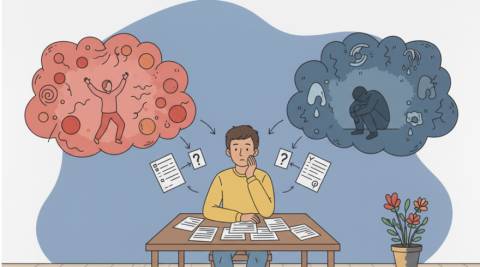
Many people reach a point where mood changes feel confusing, disruptive, or difficult to explain. A self‑screening questionnaire can help you organize those experiences into patterns, highlighting which symptoms tend to cluster together in daily life. These checklists do not diagnose conditions, yet they can spotlight signals worth discussing with a licensed professional. The best screeners use plain language, ask about timing and intensity, and explain what results mean in practical terms. You can expect questions about elevated energy, racing thoughts, impulsivity, prolonged sadness, sleep shifts, and the impact of these states on work, school, and relationships.
Before starting any web‑based quiz, it helps to set expectations and remember that results are not a replacement for clinical evaluation. For many readers, the free online bipolar test offers a structured way to reflect on recent weeks and longer‑term patterns. After completing a questionnaire, writing a few notes about triggers, support systems, and current medications can make any follow‑up conversation with a clinician faster and more useful. If you have safety concerns today, such as suicidal thoughts or risky behavior, seek urgent help instead of relying on self‑screening.
Results from self‑screeners should be viewed as a conversation starter rather than a conclusion. A validated tool improves reliability, but even strong instruments can misclassify or overlook complex presentations. Co‑occurring conditions like ADHD, substance use, trauma‑related symptoms, thyroid issues, or sleep disorders can blur the picture. Used thoughtfully, a screener can reduce uncertainty and empower you to take the next concrete step toward care.
How Online Bipolar Screeners Work, Validation Basics, and Common Pitfalls
Most questionnaires present statements and ask how often they applied over a specific timeframe. Scoring systems convert responses into ranges that suggest low, moderate, or high likelihood of clinically significant symptoms. Well‑built tools borrow items from established instruments and publish how their questions map to recognized criteria. The strongest platforms also provide clear guidance about what scores do, and do not, mean, along with resources to locate licensed providers for a proper evaluation.
Some pages summarize results in plain language so they can be shared with a medical or counseling professional. In many cases, summary wording resembles an online bipolar diagnosis explanation designed to prompt informed discussion rather than deliver a final label. Better tools avoid absolute language, warn against self‑medicating, and encourage readers to examine duration, severity, and functional impairment alongside the score.
Short forms appeal to busy readers, while longer versions probe nuance such as seasonal cycles, postpartum shifts, or mixed features. If you prefer brevity, try a tool labeled a bipolar online assessment that balances speed with useful detail. Regardless of length, trustworthy screeners minimize bias with neutral phrasing, ask about both “up” and “down” states, and present results with next‑step suggestions that do not overpromise.
Key Benefits, Sensible Use Cases, and When to Seek Professional Help
Self‑screening shines when you want structure around fuzzy experiences. A questionnaire can organize weeks of mood notes into a summary you can carry into an appointment. It also helps family members understand your perspective, because it frames symptoms objectively rather than through conflict or memory gaps. People considering lifestyle changes, sleep routines, exercise, or reducing substances, often use a screener to capture a “before” snapshot that can be compared later.
Many people begin with a bipolar test online to sort everyday stress from patterns that may warrant attention. After seeing results, it becomes easier to decide whether to watch and wait, schedule a medical visit, or request a specialist referral. If your answers indicate severe impairment, or if you notice rapid cycling, psychosis, or unsafe behaviors, do not delay contacting a licensed clinician who can perform a full evaluation.
Short checklists can accelerate this process, especially for those who feel unsure where to start. Short checklists marketed as a bipolar screening test online can flag potential warning signs quickly so you can plan a responsible next step. Still, score ranges are only signposts; they are not prescriptions. Whenever you feel confused by your results, bringing printouts to a professional can transform guesswork into a clear action plan tailored to your life.
Interpreting Scores, Understanding Severity, and Planning Next Steps
After you complete a questionnaire, the score usually lands in a band such as minimal, mild, moderate, or high. What matters most is how those numbers align with real‑world impact: missed deadlines, relationship strain, financial consequences, or risky decisions. Consider also how long symptoms have persisted and whether they cluster around seasons, life events, new medications, or sudden stressors. Good tools explain uncertainty, provide links to hotlines, and suggest how to talk with your doctor without shame or self‑blame.
Once you digest the initial summary, it can help to compare common result bands with practical recommendations. The quick reference below translates typical ranges into understandable next steps and resources you might gather before a visit. Although simplified, this kind of map keeps momentum going and avoids the paralysis that can follow ambiguous results.
| Score band | What it may suggest | Practical next step |
| Minimal/Low | Few or transient symptoms with little daily impact | Track sleep, mood, and stress for two weeks; revisit screening if concerns grow |
| Mild/Borderline | Some features that merit monitoring or preventive habits | Start a routine for sleep and activity; consider a primary care conversation |
| Moderate | Noticeable patterns affecting work, school, or relationships | Schedule a licensed mental health evaluation; bring symptom notes and timelines |
| High | Strong likelihood of clinically significant concerns | Seek a timely specialist assessment; arrange safety supports if needed |
After exploring a bipolar online test, keep a two‑week log of sleep, energy, spending, and social activity to enrich your consultation. Many hospital systems also host a bipolar disorder test online that mirrors commonly used screening items, which you can compare with your initial result to see whether conclusions are consistent over time. If results differ widely, that divergence is itself useful data to share with your clinician.
How to Take an Online Screener: Step‑by‑Step Walkthrough
Preparation improves both accuracy and usefulness. Before you begin, identify a quiet place and note the period you want to assess, such as the last two weeks or the last month. Think about how mood changes affected your schedule, finances, or relationships, and write a few examples. Keep your reading glasses or device accessibility settings handy, and plan five to ten minutes with minimal distractions. If possible, avoid taking a quiz during an emotional crisis; urgent care is more appropriate in that circumstance.
When you start an online test bipolar, read every item slowly and answer based on typical patterns rather than a single extreme day. Budget‑conscious readers often look for a bipolar test online free option that still provides a clear explanation of results and a printable summary. After submitting, save or email your score so you can reference it later, and jot down any items that felt confusing, because those talking points can anchor a productive appointment.
Finally, create a brief plan for what happens next. Decide whether you will revisit the screener in two weeks, schedule an evaluation, or ask a trusted person to help you follow through. Small steps compound quickly when guided by clear information, and a written plan makes follow‑up more likely. If your results trigger worry, reach out sooner rather than later so you can replace uncertainty with a tailored care plan.
Privacy, Data Protection, and Accessibility Considerations
Health information is personal, and many people hesitate to complete questionnaires online. Before you answer a single item, review the site’s privacy policy and look for details on tracking, data retention, and whether responses are stored or sold. Prefer tools that allow anonymous completion, avoid unnecessary personal data fields, and offer transparency about how aggregate statistics are used. If you are on a shared device, consider using a private browsing window and clearing your history afterward.
Some non‑profits maintain open access tools that emphasize security and clarity. Some non‑profits provide a free online bipolar disorder test with documented sources and community helplines so you can act on results without delay. Others curate a concise bipolar online free test that supports screen‑reader compatibility and high‑contrast modes to improve readability for everyone. If accessibility is a concern, adjust device settings for text size, contrast, and focus indicators, or seek a printable version.
When sharing results with a clinician, avoid emailing screenshots through unsecured channels if you can use encrypted portals instead. Ask providers how they store documents, and keep your own records in a password‑protected folder. Thoughtful privacy choices ensure that self‑screening informs your care without exposing sensitive details where they do not belong.
How to Choose a Quality Tool: Trust Signals and Red Flags
Thousands of checklists exist on the web, but not all carry the same quality. Look for author credentials, citations, and language that acknowledges limitations. Pages that mention peer‑reviewed sources, describe how items were selected, and explain what to do next show a commitment to responsible guidance. Advertising is common online, yet it should not overshadow instructions, obscure scoring details, or pressure you into unrelated purchases.
Before you commit, skim sample items from an online free bipolar test and verify whether it names the underlying instrument or validation studies. A trustworthy screener avoids sensational claims, offers plain‑English next steps, and links to crisis resources without gating them behind sign‑ups. If a site hides its authorship, tracks excessive user data, or promises a diagnosis in minutes, click away and choose a more transparent alternative.
As you compare options, favor organizations affiliated with hospitals, universities, or established mental health groups. Community feedback can also help, but weigh it alongside clear documentation and professional oversight. A careful selection process ensures your time and attention translate into insights you can confidently bring to a clinical conversation.
FAQ About Self‑Screening for Bipolar Spectrum Concerns
Is self‑screening the same as a medical diagnosis?
No. A questionnaire organizes symptoms and estimates likelihoods, but only a licensed professional can diagnose after a full evaluation that considers history, rule‑outs, and context.
What should I do if my score is high?
Schedule an appointment with a qualified clinician and bring your results, a two‑week mood and sleep log, and a list of medications or supplements. If you feel unsafe, contact emergency services or a crisis hotline immediately.
Can medication or sleep loss influence my responses?
Yes. Stimulants, antidepressants, thyroid problems, jet lag, shift work, and sleep deprivation can alter mood and energy. Note these factors when completing the screener and tell your clinician.
How often should I repeat a screener?
Recheck after a meaningful change, new stressors, medication adjustments, or lifestyle shifts, or on a consistent schedule such as monthly if you and your clinician agree it’s helpful.
How can I prepare for a clinical appointment after screening?
Bring printed results, dates of mood episodes, examples of functional impact, family history, and any questions about therapy, medication, or lifestyle strategies. Clear notes accelerate accurate assessment and planning.