Online Bipolar Disorder Test for Teens & Adults
What the Bipolar Spectrum Means During the Teen Years
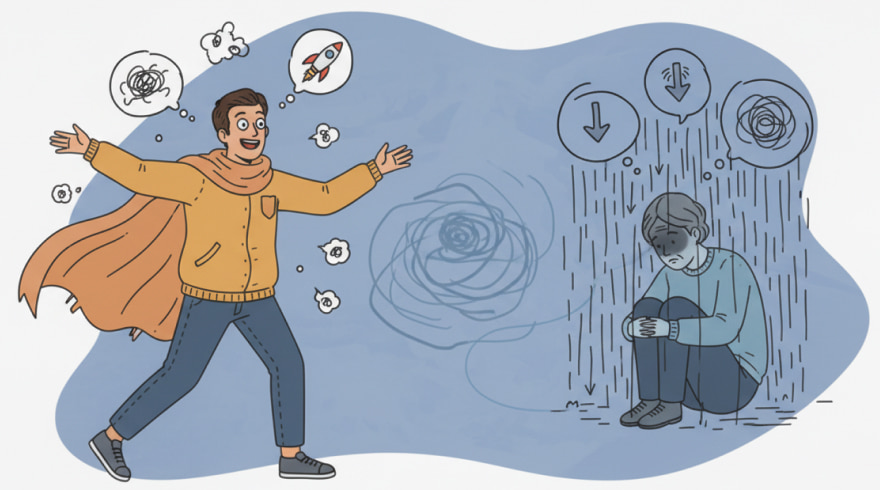
Adolescence is a season of rapid brain remodeling, shifting identities, and social intensification, so, unsurprisingly, mood and energy can feel volatile. Families often struggle to separate typical developmental turbulence from patterns that suggest a cyclic mood condition, and they deserve clear, stigma‑free explanations. In clinical settings, teens bipolar disorder is described as episodic mood dysregulation with functional impact, and it benefits from early, collaborative care. When families learn about bipolar teens, they often worry about long‑term prospects, yet structured routines and tailored supports dramatically improve daily life.
Modern research paints a nuanced picture: neurobiology, sleep rhythms, temperament, trauma exposure, and family history all interplay to shape vulnerability and resilience. Rather than framing identity around diagnosis, clinicians encourage youth to map triggers, track sleep, and build emotion‑regulation skills so they can anticipate storms and recover faster. Strength‑based approaches highlight creativity, intensity of focus, and leadership potential, while also honoring the reality of risk during elevated or depressed states. With compassionate communication, school collaboration, and steady medical guidance, young people can pursue goals, nurture friendships, and grow into their capabilities without being reduced to a label.
- Clarity comes from patterns over time, not single moments.
- Sleep stability, nutrition, and movement act as mood stabilizers.
- Family routines foster predictability and reduce conflict cycles.
- Peer allies and trusted adults provide safety nets during stressful weeks.
Early Signs, Mood Patterns, and Daily Functioning
Spotting relevant patterns starts with a careful look at intensity, duration, and impairment across school, home, and friendships. In population studies, bipolar symptoms teens frequently include abrupt sleep changes and energy shifts, alongside periods of unusually fast thinking or slowed movement. Clinicians emphasize that, among bipolar disorder teens, co‑occurring anxiety, attention differences, and substance experimentation can blur the clinical picture, making careful history‑taking essential.
Observable cues often cluster: rapid goal changes, reduced need for sleep without fatigue, impulsive risk in social settings, or, conversely, heavy fatigue and social withdrawal. Teachers may see spirals of late work followed by bursts of overachievement, while caregivers notice irritability morphing into elation or hopelessness within a week. None of these clues alone define a condition, yet the constellation, especially when cycles repeat and disrupt functioning, warrants professional evaluation. Youth benefit from practical tools such as mood charts, smart‑watch sleep tracking, and designated calm spaces to de‑escalate when overwhelm rises. The earlier these supports appear, the more school engagement and friendships can stabilize through challenging semesters.
- Track sleep duration and variability to flag potential mood shifts.
- Note energy, motivation, and impulsivity in brief daily check‑ins.
- Build “if‑then” coping plans for test weeks and social stress.
- Coordinate with counselors to adjust workloads during recovery.
Gender Nuances, Identity, and Social Dimensions
While mood disorders cut across every identity, cultural expectations can influence how symptoms show and how adults interpret them. School counselors report that, for bipolar teens girls, social stressors can amplify mood cycling, especially when perfectionism or relational pressures collide with sleep loss. Coaches often notice that, with bipolar teens boys, restlessness may look like simple fidgeting during practice, and the underlying mood state gets missed until grades or relationships deteriorate.
Hormonal fluctuations, body image themes, and social media dynamics can intensify reactivity and self‑criticism. Youth who identify outside gender binaries may shoulder added stress from discrimination, which can worsen insomnia and emotional lability. Adults can reduce harm by cultivating nonjudgmental spaces, using reflective listening, and validating mood experiences without catastrophizing. Empowering adolescents to name sensations, set boundaries, and request accommodations fosters autonomy. Mentorship programs, identity‑affirming clubs, and trauma‑informed education help reduce isolation, nurture belonging, and encourage healthy risk‑taking like arts, athletics, or service projects that channel intensity into purpose.
- Normalize help‑seeking and model language for difficult feelings.
- Teach peers to recognize escalation signs and to respond safely.
- Pair students with advisors who understand identity and culture.
- Protect sleep with consistent schedules around extracurriculars.
Evaluation, Screening, and Pathways to Care
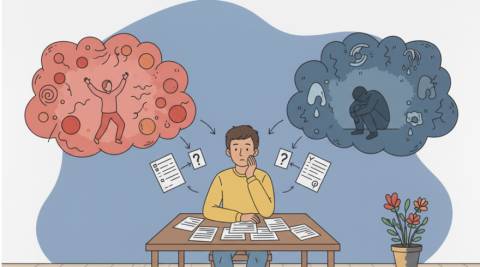
Getting a precise picture involves multiple data sources, careful timelines, and differential diagnosis. A thorough bipolar assessment teens typically spans interviews, rating scales, records review, and collateral input from school or coaches. Formal pathways toward bipolar diagnosis teens prioritize longitudinal history over single‑day impressions, which helps distinguish mood episodes from trauma responses, ADHD, or normative stress. Digital screeners marketed as bipolar test teens can spark helpful conversations with providers, yet they work best as starting points rather than verdicts.
Families often feel more confident when they see how tools fit together, so the following reference can demystify the steps and roles involved.
| Tool or Step | Primary Purpose | Who Leads | Typical Time | What You Learn |
| Clinical Interview | Timeline of mood, sleep, energy, risk, and stressors | Child & Adolescent Psychiatrist or Psychologist | 60–120 minutes | Episode patterns, triggers, functional impact |
| Rating Scales (e.g., MDQ‑A, YMRS, CDI‑2) | Quantify symptoms across settings | Clinician with teen and caregiver | 15–30 minutes | Severity snapshots to track over time |
| Sleep and Activity Tracking | Monitor circadian rhythm stability | Family and teen | 2–6 weeks | Patterns that predict mood shifts |
| School Collaboration | Document academic and social functioning | Counselor, teachers, and case manager | Ongoing | Supports for 504/IEP planning and safety |
| Medical Review | Rule out medical contributors | Pediatrician | 30–60 minutes | Thyroid, sleep disorders, and medication effects |
Once the picture is clear, teams craft a plan that might include psychoeducation, sleep hygiene, cognitive or dialectical behavior therapy, family‑focused therapy, and, when appropriate, medication. Clear crisis plans reduce panic, while routine follow‑ups align school, home, and clinic perspectives. Teens thrive when they understand why habits matter and how to advocate for adjustments during exam periods or after life events that disrupt stability.
Strengths, Supports, and Real‑World Benefits
Care that sees the whole person can unlock surprising advantages in academics, arts, leadership, and empathy. Advocacy groups highlight that, for bipolar disorder teens girls, early psychoeducation improves self‑efficacy, and similar benefits extend across genders when programs are identity‑affirming. Many adolescents channel intensity into music, debate, coding, or entrepreneurship, discovering “flow” activities that regulate energy and boost confidence. Families can set up calm‑start mornings, consistent bedtimes, and protected downtime after stimulating events to guard sleep and prevent avoidable spirals.
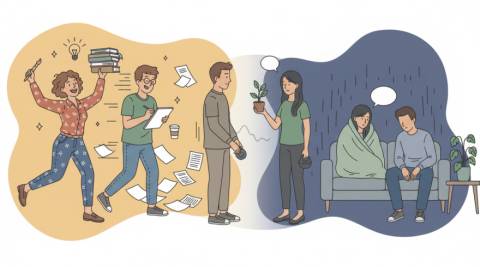
When schools partner with caregivers, accommodations like flexible deadlines, test environments with reduced noise, and pass systems to counseling offices help students stay engaged without sacrificing wellbeing. Peer‑support clubs and youth advisory boards give teens a voice in shaping services, which cultivates purpose and reduces shame. Communities benefit too: informed classmates learn allyship, educators sharpen trauma‑responsive practices, and teams become better at balancing ambition with rest. Over time, this ecosystem produces resilient graduates who know their warning signs, lean on supports early, and contribute their strengths to the wider world.
- Teach emotion‑naming and body cues to improve self‑monitoring.
- Practice micro‑breaks, grounding skills, and mindful transitions.
- Use shared calendars for sleep, meds, and high‑stress dates.
- Celebrate progress markers, not just grades or trophies.
FAQ: Common Questions Answered
How do I tell the difference between normal ups and downs and a mood disorder?
Look for changes that are intense, last several days, and disrupt school, relationships, or safety, and then track how often those cycles repeat. Patterns that include sleep reduction without fatigue, impulsivity, or marked slowdown are worth discussing with a clinician who can weigh timing, context, and impairment carefully.
Are online screeners useful or misleading?
Brief questionnaires can help people notice patterns and start a conversation with a provider, especially when they prompt tracking of sleep and energy. Caregivers sometimes ask whether a reputable bipolar disorder test for teenagers exists online, and the best use of such tools is as a bridge to professional evaluation rather than a final answer.
What treatments are typically considered?
Evidence‑based care often combines psychoeducation, sleep routines, skills‑based therapy, school supports, and, when indicated, medication with careful monitoring. Plans evolve over time, aligning with the teen’s goals, values, and developmental stage so autonomy grows alongside safety.
Can quick quizzes replace a full evaluation?
Short forms provide language for experiences and can lower stigma, but they cannot make a diagnosis by themselves. Short checklists branded as a bipolar disorder quiz teens may raise awareness but cannot substitute for clinical care, so follow up with a licensed professional who can rule out look‑alike conditions.
What should families do during a rough week?
First, stabilize sleep and reduce stimulation, then communicate with school about temporary workload adjustments while ensuring safety plans are current. Keep routines predictable, use coping plans, and loop in the care team early so supports can ramp up before crises emerge.